




 DISCORD
Titanic
Hourly History


 Apple Books


 8 Min Reading Time
 Audio Version Available
About this book
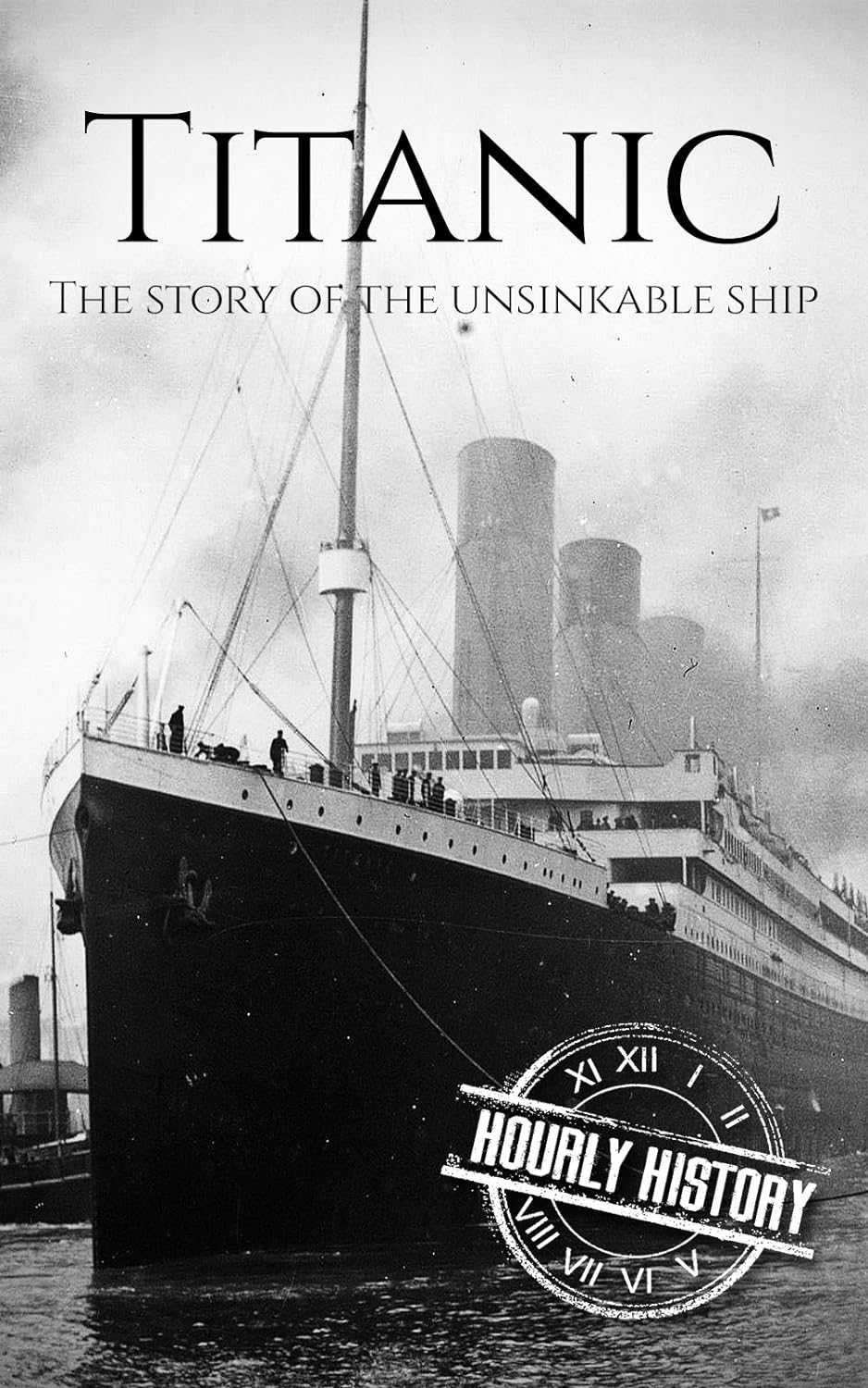
More than a century after its tragic sinking, the RMS Titanic continues to captivate the world. "Titanic: The Story of the Unsinkable Ship" delves into the opulent creation of this legendary vessel, the fateful voyage, and the devastating events of April 14, 1912. Uncover the secrets and stories surrounding the disaster, exploring themes of love, bravery, cowardice, and greed. From its ambitious conception to its rediscovery decades later, relive the enthralling and heartbreaking tale of the Titanic.
Summary of Key Ideas
- •
Birth of a Giant: Conceiving the Unsinkable
The Titanic was conceived during a period of intense competition among transatlantic shipping companies. The White Star Line aimed to create a ship that surpassed its rivals in size, luxury, and safety. This ambition led to the design and construction of the Titanic, intended to be the largest and most opulent ship ever built. The book likely details the planning stages, the challenges faced by the engineers and designers, and the sheer scale of the project, emphasizing the technological advancements and the economic forces driving the creation of such a massive vessel. It highlights the hubris associated with believing the ship was virtually unsinkable.
- •
A Floating Palace: Dreams of Luxury and Class
The Titanic was more than just a mode of transport; it was a floating palace designed to cater to the elite. The book probably describes the lavish accommodations, including opulent suites, grand staircases, and elaborate dining rooms. It also delves into the class divisions on board, contrasting the luxurious experience of the first-class passengers with the more modest conditions in the lower decks. This stratification reflects the social hierarchy of the time and underscores the vast disparities in wealth and opportunity. The 'ship of dreams' was a microcosm of society, with its own set of rules and expectations for different classes.
- •
Setting Sail: A Voyage of Hope and Dreams
The voyage began with excitement and optimism as the Titanic set sail from Southampton. The book likely captures the atmosphere on board, describing the anticipation of the passengers, the activities they engaged in, and the sense of adventure that permeated the air. It would detail the ship's route, the daily routines of passengers and crew, and the social interactions that occurred during the first few days of the journey. This section establishes a sense of normalcy and sets the stage for the impending disaster, highlighting the contrast between the passengers' initial hopes and the tragic events that would soon unfold.
- •
Aboard the Titanic: A Microcosm of Society
The passengers aboard the Titanic represented a diverse cross-section of society, from wealthy industrialists and celebrities to immigrants seeking a better life in America. The book likely introduces some of the key individuals on board, providing glimpses into their backgrounds, motivations, and aspirations. It may explore their personal stories, their interactions with one another, and their experiences during the voyage. By focusing on the human element, the book personalizes the tragedy and allows readers to connect with the victims on an emotional level, making the disaster all the more poignant.
- •
Fatal Encounter: The Iceberg and the Inevitable
Despite advances in safety, the Titanic was vulnerable to the dangers of the sea. The book recounts the events leading up to the collision with the iceberg, detailing the warnings received, the decisions made by the crew, and the speed at which the ship was traveling. It explains how a combination of factors, including limited visibility and a lack of sufficient lifeboats, contributed to the magnitude of the disaster. The impact with the iceberg was not a large gash, but rather a series of small gashes below the waterline that fatally flooded multiple compartments.
- •
The Unthinkable: Sinking and Aftermath
The sinking of the Titanic was a chaotic and terrifying event marked by bravery, selflessness, and immense loss. The book describes the desperate attempts to evacuate the passengers, the inadequate number of lifeboats, and the agonizing choices that had to be made. It recounts the stories of those who helped others, those who perished, and those who survived against all odds. This section highlights the human drama of the disaster, showcasing the resilience of the human spirit in the face of unimaginable tragedy. The sinking exposed flaws in maritime safety regulations and led to significant changes in safety protocols.
Chapter Recap

About The Author
Hourly History
Main Quotes
"The RMS Titanic struck an iceberg on the night of April fourteenth 1912, and sank in the North Atlantic waters in the wee hours of the following morning."
"It was the largest ship ever built at that time, and it was widely believed to be unsinkable."
"The White Star Line spared no expense in making the Titanic the most luxurious ship ever built."
"Lifeboats could only accommodate around half of the passengers and crew on board."
"As the ship began to sink, chaos erupted as passengers and crew scrambled to find a place on the lifeboats."
"Many of the third-class passengers were trapped below deck and unable to reach the lifeboats."
"The band continued to play music even as the ship was sinking, in an effort to keep spirits up."
"In the end, more than 1,500 people lost their lives in the tragedy."
"The sinking of the Titanic was a major turning point in maritime history."
"The disaster led to new safety regulations and a greater emphasis on lifeboat capacity."
Who Should Read This Book
Readers interested in concise historical summaries
Individuals seeking introductory information about the Titanic disaster
People with limited time who want a quick overview of the event
Students looking for supplementary learning material
Readers interested in historical events presented in an easily digestible format
Those new to the subject of the Titanic
Book Summaries Like
Titanic


FAQ

Free Access to LitNotes