




 DISCORD
To Kill a Mockingbird 40th
Harper Lee


 Amazon Best Sellers
 Barnes & Noble Bestsellers


 95 Min Reading Time
 Audio Version Available
About this book
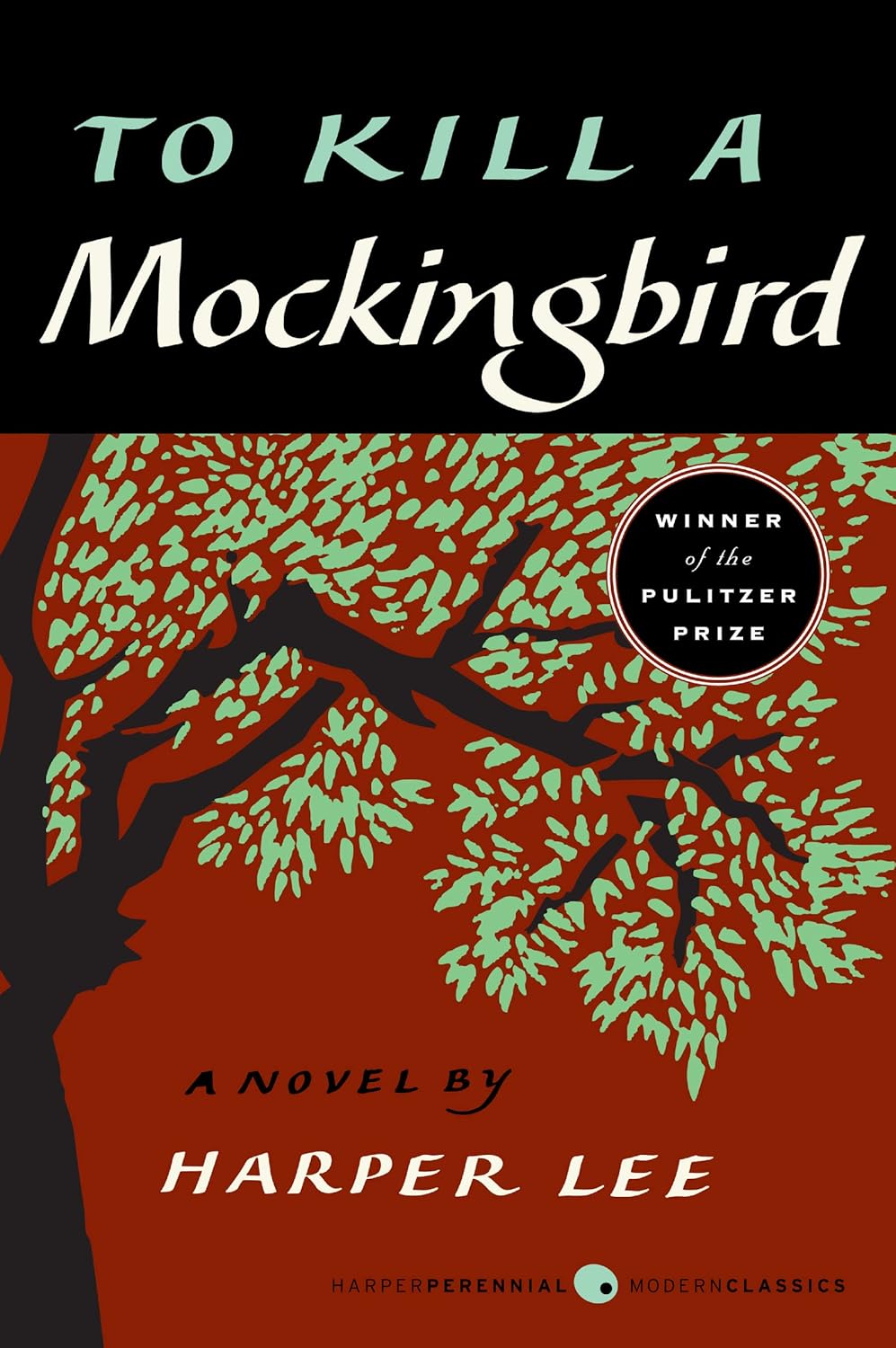
In the deeply segregated South, a child's eyes see a world of both breathtaking beauty and savage injustice. Harper Lee's Pulitzer Prize-winning masterpiece, To Kill a Mockingbird, is a timeless story of courage, compassion, and the loss of innocence. Through the young Scout Finch, we witness her father, Atticus, a crusading lawyer, risk everything to defend a black man unjustly accused of a heinous crime. This gripping and heart-wrenching coming-of-age tale explores the complexities of human nature, confronting prejudice and ignorance with warmth, humor, and unwavering hope. A cherished story translated into dozens of languages and beloved by millions, To Kill a Mockingbird remains a powerful and essential exploration of what it means to be human.
Summary of Key Ideas
- •
The Pervasiveness of Racial Injustice
Racial injustice is a central theme, exposing the deep-seated prejudice and discrimination prevalent in the American South during the 1930s. The unjust accusation and trial of Tom Robinson highlight the systemic inequalities and the destructive power of racial bias. This theme is explored through the eyes of Scout, who witnesses the blatant unfairness and struggles to understand the irrational hatred that fuels it. The novel challenges readers to confront their own prejudices and consider the devastating impact of racial discrimination on individuals and communities. The courage and moral integrity of Atticus Finch in defending Tom Robinson underscore the importance of standing up against injustice, even in the face of overwhelming opposition.
- •
The Essence of Moral Courage
Moral courage is exemplified by Atticus Finch, who consistently chooses to do what is right, regardless of the personal cost or social pressure. His decision to defend Tom Robinson, despite facing condemnation from the community, demonstrates his unwavering commitment to justice and equality. Atticus teaches his children, Scout and Jem, the importance of empathy, integrity, and standing up for one's beliefs, even when they are unpopular. His quiet strength and principled actions serve as a powerful example of moral courage, inspiring readers to reflect on their own values and willingness to fight for what is right. Atticus's moral compass guides him to treat everyone with respect and dignity, reinforcing the idea that true courage lies in doing what is morally sound, not what is easy or accepted.
- •
The Loss of Innocence
Childhood innocence is explored through Scout's perspective as she navigates the complexities of the adult world. Her initial naivety and confusion regarding the racial prejudice and social inequalities gradually give way to a deeper understanding of the injustices around her. The novel portrays the loss of innocence as Scout confronts the harsh realities of hatred, violence, and hypocrisy. Jem also experiences a similar transformation as he grapples with the unfairness of Tom Robinson's trial and the disappointment of witnessing the flawed nature of the adult world. The contrast between their innocent perceptions and the grim realities they encounter highlights the vulnerability of children and the importance of protecting their innocence as long as possible.
- •
The Power of Empathy
Empathy and understanding are crucial to overcoming prejudice and fostering compassion. Atticus teaches Scout to "walk in another man's shoes" to truly understand their perspective and experiences. This lesson is central to the novel's message, emphasizing the importance of seeing beyond one's own biases and prejudices. The story encourages readers to develop empathy for those who are different and to challenge their own assumptions about others. By understanding the struggles and perspectives of individuals like Tom Robinson and Boo Radley, the characters (and readers) can break down barriers and build connections based on mutual respect and understanding. The ability to empathize is portrayed as a powerful tool for promoting justice and creating a more inclusive society.
- •
The Scars of Social Inequality
Social inequality is vividly depicted through the various characters and their positions within the Maycomb community. The stark contrast between the wealthy landowners, the poor farmers, and the black residents highlights the deep-seated class divisions and the unequal distribution of power. The Cunningham family's poverty and the Ewell family's degradation exemplify the struggles of those marginalized by society. Tom Robinson's case underscores how social status and race intersect to create systemic disadvantages. The novel exposes the ways in which social inequalities perpetuate prejudice and limit opportunities for those who are considered "outsiders." Through these diverse characters, Lee challenges readers to confront the uncomfortable realities of social stratification and its impact on individual lives.
- •
Standing Up for Justice
The importance of standing up for what is right, even when facing adversity, is a recurring theme. Atticus Finch embodies this principle as he defends Tom Robinson, knowing that he will face criticism and ostracism from the community. His unwavering commitment to justice inspires his children and challenges the prejudiced attitudes of Maycomb. The novel demonstrates that true integrity lies in acting according to one's conscience, regardless of the consequences. Atticus's quiet courage serves as a powerful example of how one person can make a difference in the face of overwhelming opposition. The story encourages readers to embrace their own moral convictions and to stand up against injustice, even when it is difficult or unpopular.
- •
The Poison of Prejudice
Prejudice and its destructive consequences are explored in depth through the portrayal of Maycomb's deeply ingrained racial bias. The novel reveals how prejudice can blind individuals to the truth and lead to unjust treatment of others. The town's collective prejudice against Tom Robinson ultimately results in his tragic death. The story highlights the irrationality and harmfulness of prejudice, demonstrating how it can poison relationships and undermine the principles of justice. Through the experiences of Scout, Jem, and Atticus, the novel challenges readers to confront their own prejudices and to actively work towards dismantling the systems of oppression that perpetuate them. Overcoming prejudice requires empathy, understanding, and a willingness to challenge ingrained beliefs.
- •
The Importance of Perspective
The theme of perspective is explored through Scout's evolving understanding of the world around her. As a child, she initially sees things in a simple, straightforward manner, but as she grows older, she learns to consider different points of view and to recognize the complexities of human behavior. Atticus encourages her to "walk in another man's shoes" to gain a deeper understanding of their experiences. This lesson helps her to empathize with those who are different from her and to challenge her own biases. The novel emphasizes the importance of perspective in fostering understanding, compassion, and justice. By seeing the world through the eyes of others, individuals can break down barriers and build stronger relationships.
Chapter Recap

About The Author
Harper Lee
Nelle Harper Lee was an American novelist. She wrote the 1960 novel To Kill a Mockingbird that won the 1961 Pulitzer Prize and became a classic of modern American literature. Lee received numerous accolades and honorary degrees, including the Presidential Medal of Freedom in 2007 which was awarded for her contribution to literature. She assisted her close friend Truman Capote in his research for the book In Cold Blood (1966). Capote was the basis for the character Dill Harris in To Kill a Mockingbird.
Main Quotes
""You never really understand a person until you consider things from his point of view... Until you climb inside of his skin and walk around in it.""
""Shoot all the blue jays you want, if you can hit 'em, but remember it's a sin to kill a mockingbird.""
""Real courage is when you know you're licked before you begin, but you begin anyway and see it through no matter what.""
""Until I feared I would lose it, I never loved to read. One does not love breathing.""
""A mob's always made up of people, no matter what. Mr. Cunningham was part of a mob last night, but he was still a man.""
""People generally see what they look for, and hear what they listen for.""
""It's never an insult to be called what somebody thinks is a bad name. It just shows you how poor that person is, it doesn't hurt you.""
""I wanted you to see what real courage is, instead of getting the idea that courage is a man with a gun in his hand. It's when you know you're licked before you begin, but you begin anyway and see it through no matter what.""
""Before I can live with other folks I've got to live with myself. The one thing that doesn't abide by majority rule is a person's conscience.""
""The things that happen to people we never really know. What happens in houses behind closed doors, what secrets - ""
Who Should Read This Book
High school students
College students
Adults interested in classic literature
Readers interested in themes of racial injustice, morality, and childhood
Book clubs
Readers interested in Southern literature
Educators and teachers
Readers who appreciate character-driven stories
Readers interested in legal dramas
People interested in American history and culture
Book Summaries Like
To Kill a Mockingbird 40th

FAQ

Free Access to LitNotes