




 DISCORD
Tuesdays with Morrie
Mitch Albom


 Amazon Best Sellers
 Apple Books


 21 Min Reading Time
 Audio Version Available
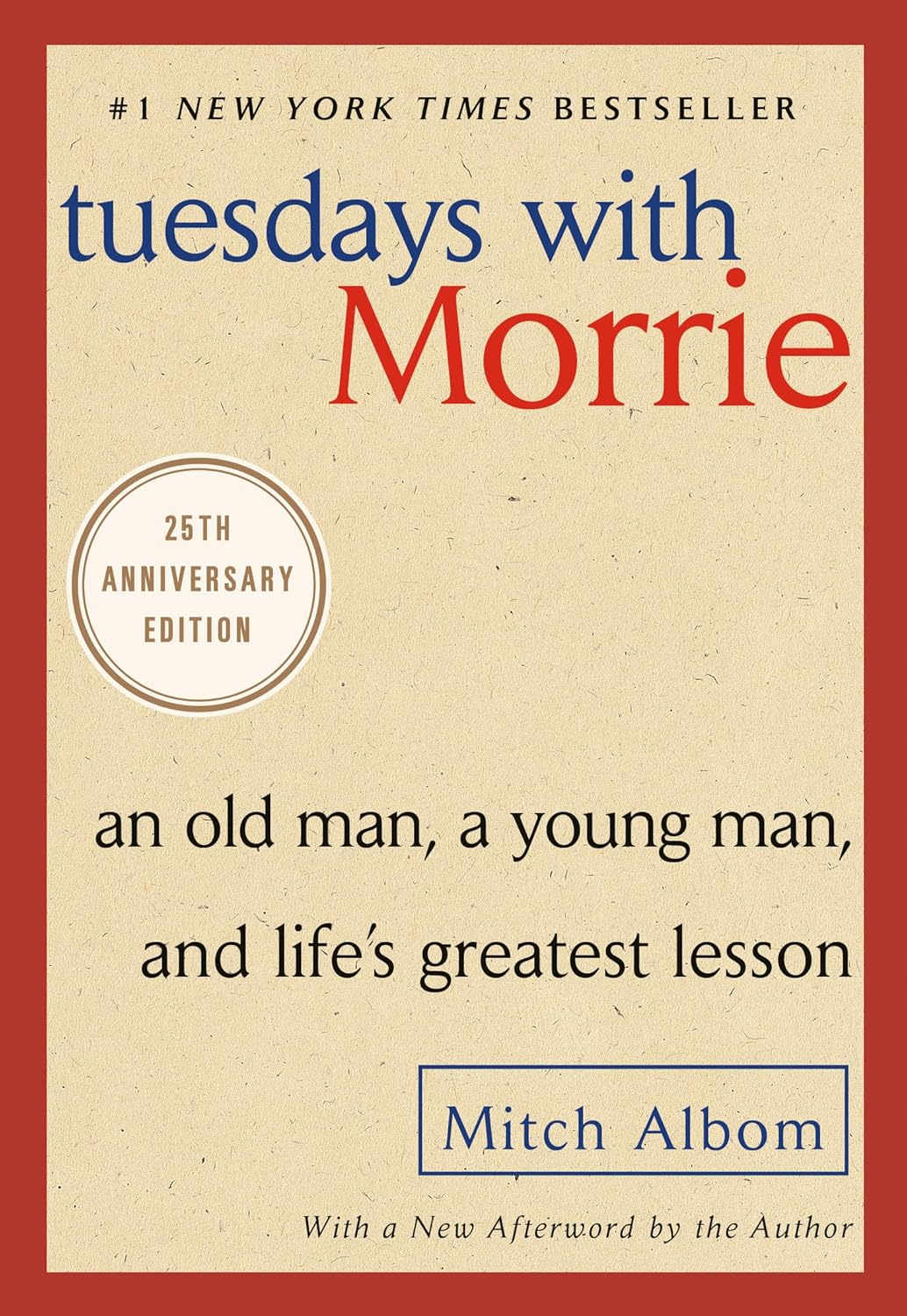
About this book
What if the most profound life lessons came from a dying man?
Mitch Albom, a driven sports journalist caught in the rat race of modern life, rediscovers his former college professor, Morrie Schwartz, who is battling ALS. Sixteen years after graduation, Mitch begins visiting Morrie every Tuesday, and what starts as a simple reconnection transforms into a profound journey of the heart and soul.
As Morrie's body weakens, his wisdom only grows stronger. Through intimate conversations, Morrie shares invaluable life lessons on love, work, family, community, and forgiveness, challenging Mitch (and the reader) to re-evaluate what truly matters.
More than a story about death, Tuesdays with Morrie is a celebration of life. It's an invitation to embrace compassion, reject societal pressures, and find meaning in our relationships. This deeply moving memoir reminds us that it's never too late to learn, to love, and to make the most of the time we have. Prepare to be inspired, challenged, and forever changed by the wisdom of Morrie Schwartz.
Summary of Key Ideas
- •
Create Your Own Culture
Reject Societal Norms: Morrie consistently critiques the values perpetuated by popular culture, such as the relentless pursuit of wealth and fame. He advocates for creating one's own values based on love, compassion, and community. This involves questioning societal expectations and prioritizing meaningful relationships and experiences over material possessions, leading to a more fulfilling life. Morrie encourages Mitch and readers alike to define success on their own terms, rather than adhering to external standards that often lead to dissatisfaction.
- •
Find Value in Aging
Embrace Aging: Instead of fearing old age, Morrie embraces it as a period of growth and wisdom. He views each stage of life as unique and valuable, emphasizing the importance of accepting the natural progression of life. By appreciating the experiences and insights that come with age, individuals can find meaning and purpose in their later years. This perspective challenges the youth-obsessed culture and promotes a more positive outlook on aging, highlighting the potential for continued learning and personal development.
- •
The Primacy of Love
Love is Essential: Morrie emphasizes that love is the most important thing in life. He believes that giving and receiving love provides a sense of purpose and meaning. He often repeats the quote “Love each other or perish”. He stresses the importance of cultivating strong relationships with family and friends, and expressing love openly and frequently. According to Morrie, love is what sustains us through difficult times and enriches our lives in immeasurable ways. Without love, life is ultimately empty and meaningless.
- •
The Power of Forgiveness
Forgive Yourself and Others: Forgiveness is a recurring theme, with Morrie advocating for forgiving both oneself and others to release bitterness and resentment. Holding onto anger and grudges only harms the individual, preventing them from moving forward and experiencing inner peace. Forgiveness allows for healing and reconciliation, fostering healthier relationships and a greater sense of emotional well-being. Morrie's teachings highlight the transformative power of forgiveness in breaking free from the past and embracing the present.
- •
Embrace the Present
Living in the Moment: Morrie stresses the importance of being present in the moment and appreciating the simple things in life. He observes that many people are so caught up in worrying about the future or dwelling on the past that they fail to fully experience the present. By practicing mindfulness and focusing on the here and now, individuals can find greater joy and contentment in their daily lives. Morrie's emphasis on living in the moment encourages readers to slow down, savor experiences, and connect with the world around them.
- •
Love Beyond Death
Death Ends a Life, Not a Relationship: Morrie teaches Mitch that even though death is a natural part of life, it doesn't have to be the end of a relationship. The memories and love shared with someone continue to live on, providing comfort and inspiration. By cherishing these connections, individuals can find solace in the face of grief and maintain a sense of continuity with those who have passed away. This perspective offers a powerful message of hope and resilience, reminding us that love transcends physical boundaries.
- •
The Wisdom of Detachment
Acceptance Through Detachment: Morrie discusses the concept of detachment as a way to cope with suffering and loss. He explains that by accepting the impermanence of things, individuals can avoid being overwhelmed by negative emotions. This doesn't mean becoming indifferent or apathetic, but rather developing a sense of emotional resilience that allows one to navigate life's challenges with greater equanimity. Detachment, in Morrie's view, is a pathway to inner peace and acceptance.
- •
Value Meaningful Dialogue
The Importance of Meaningful Conversation: In a world increasingly dominated by superficial interactions, Morrie emphasizes the value of deep, meaningful conversation. He believes that genuine connection and understanding are essential for fostering strong relationships and enriching our lives. Morrie encourages Mitch to engage in honest and open dialogue, exploring important questions about life, death, and the human condition. Through these conversations, both characters experience personal growth and a deeper appreciation for the complexities of life.
Chapter Recap

About The Author
Mitch Albom
Main Quotes
"“Death ends a life, not a relationship.”"
"“The most important thing in life is to learn how to give out love, and to let it come in.”"
"“Accept what you are able to do and what you are not able to do.”"
"“Don’t cling to things, because everything is impermanent.”"
"“Learn to forgive yourself and to forgive others.”"
"“Don’t assume that it’s too late to get involved.”"
"“The culture we have does not make people feel good about themselves. And you have to be strong enough to say if the culture doesn’t work, don’t buy it.”"
"“So many people walk around with a meaningless life. They seem half-asleep, even when they're busy doing things they think are important.”"
"“Love each other or perish.”"
"“As long as we can love each other, and remember the feeling of love we had, we can die without ever really going away. All the love you created is still there.”"
Who Should Read This Book
Young adults and adults interested in self-improvement and finding meaning in life
Individuals dealing with grief, loss, or existential questions
People interested in stories about intergenerational relationships and mentorship
Readers of inspirational memoirs and contemporary literature
Those seeking guidance on living a fulfilling and meaningful life
Individuals interested in themes of aging, death, and mortality
Students and educators in courses on ethics, philosophy, or sociology
Book clubs looking for thought-provoking and discussion-worthy material
Book Summaries Like
Tuesdays with Morrie


FAQ

Free Access to LitNotes