




 DISCORD
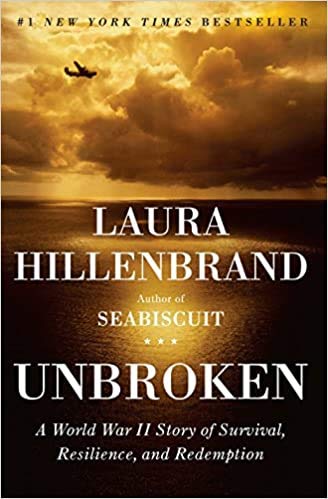
Unbroken
Laura Hillenbrand


 Amazon Best Sellers
 Apple Books


 146 Min Reading Time
 Audio Version Available
About this book
In the depths of the Pacific, 1943, a bomber crashed, leaving only a trace of wreckage. From the debris emerged Lieutenant Louis Zamperini, clinging to life on a raft, embarking on an unparalleled odyssey of survival.
From a rebellious youth to an Olympic runner, Zamperini channeled his defiance into extraordinary athleticism, culminating in the Berlin Olympics. But with the onset of World War II, he became an airman, his journey leading to a fateful flight and a desperate battle against the vast, unforgiving ocean.
Against impossible odds, Zamperini faced starvation, shark-infested waters, and relentless enemy fire. Captured by the Japanese, he endured unimaginable brutality as a prisoner of war. Driven to the edge, he met despair with resilience, cruelty with defiance, and suffering with unwavering hope. Laura Hillenbrand's Unbroken is a testament to the strength of the human spirit, a gripping true story of courage, survival, and the will to endure.
Summary of Key Ideas
- •
The Indomitable Human Spirit
Unbroken underscores the extraordinary capacity of the human spirit to endure and overcome seemingly insurmountable challenges. Louis Zamperini's experiences, from surviving a plane crash in the Pacific to enduring brutal treatment as a prisoner of war, exemplify resilience. This theme highlights the importance of mental fortitude, hope, and the will to live, even when faced with starvation, torture, and the constant threat of death. It is a testament to the strength within individuals that allows them to persevere against all odds, inspiring readers to confront their own difficulties with renewed determination.
- •
Dignity in the Face of Degradation
Throughout his ordeal, Louis Zamperini clings to his dignity, refusing to be dehumanized by his captors. This theme emphasizes the importance of self-respect and maintaining one's sense of identity in the face of extreme adversity. Despite the POWs being subjected to cruelty and degradation, they find ways to resist and retain their humanity. This act of defiance becomes a powerful source of strength, enabling them to endure the physical and emotional toll of their captivity. This highlights the crucial role of dignity in surviving trauma and preserving one's sense of self-worth.
- •
The Scars of War
The narrative portrays the immense physical and psychological toll that war inflicts on individuals. Louis and his fellow soldiers experience horrific violence, loss, and deprivation, leaving them deeply scarred. The book explores the long-lasting effects of trauma, including PTSD, nightmares, and the struggle to readjust to civilian life. It serves as a powerful reminder of the human cost of conflict and the importance of providing support and care for veterans. By depicting the brutal realities of war, the book promotes a deeper understanding of its devastating impact on those who serve.
- •
Finding Solace in Faith
While not overtly religious, the theme of faith emerges through Louis's reliance on prayer and his eventual embrace of Christianity after the war. During his most desperate moments, he makes promises to God in exchange for survival, suggesting a deep-seated belief in a higher power. After the war, grappling with PTSD and alcoholism, he finds solace and redemption through faith. This spiritual journey illustrates the potential of faith to provide comfort, strength, and a sense of purpose in the face of suffering. This element adds depth to the understanding of how individuals seek meaning and healing in the aftermath of trauma.
- •
The Power of Forgiveness
The book presents a compelling case for the transformative power of forgiveness. After enduring years of torment at the hands of his captors, particularly the sadistic guard known as "The Bird," Louis struggles with intense anger and resentment. However, through faith and personal growth, he eventually chooses to forgive his former tormentors. This act of forgiveness liberates him from the cycle of hatred and allows him to move forward with his life. It underscores the idea that forgiveness is not about condoning wrongdoing but about freeing oneself from the emotional burden of anger and bitterness. Ultimately forgiveness paves the path toward healing and reconciliation.
- •
The Long Road to Recovery
Beyond the immediate horrors of war, "Unbroken" explores the complex process of recovery and reintegration into society. Louis, like many veterans, faces significant challenges adjusting to civilian life after experiencing intense trauma. He grapples with PTSD, nightmares, and substance abuse as he attempts to cope with his wartime experiences. The book highlights the importance of support systems, mental health care, and understanding in helping veterans heal and rebuild their lives. It also acknowledges the lasting impact of war on individuals and the need for continued efforts to address the needs of those who have served.
Chapter Recap

About The Author
Laura Hillenbrand
Main Quotes
"A lifetime of glory is worth a moment of pain."
"He was smiling. It was the same smile he had given the guards when they had beaten him, the same smile he had given the Bird. It was the smile of a man who knew that he was unbroken."
"Without dignity, identity is erased. In its absence, men are defined not by themselves, but by their captors and the circumstances in which they are forced to endure."
"He was not afraid, but calm, as if he had been waiting for this moment all his life."
"All he knew was that he had to keep running."
"The paradox of এইভাবে life is that, though it is the most precious thing, it is also the easiest to lose."
"To persevere, I think, is important for everybody. Don't give up, don't give in. There's always an answer to everything."
"God tests us, so they say. If he doesn't break you, he makes you stronger."
"Rage can be a terrible cage."
"Though the captives’ resistance was dangerous, through such acts, dignity was preserved, and through dignity, life itself."
Who Should Read This Book
Readers of historical non-fiction, particularly World War II narratives
Readers interested in biographies and stories of survival and resilience
People who enjoy stories about overcoming adversity and the human spirit
Readers interested in sports, particularly track and field and the Olympics
History buffs interested in the Pacific Theater of World War II and Japanese POW camps
Individuals interested in stories of faith and redemption
Young adults and high school students
Readers who appreciate detailed, well-researched narratives
People interested in psychology, trauma, and PTSD
Families of veterans and active military personnel
Book Summaries Like
Unbroken



FAQ

Free Access to LitNotes