




 DISCORD
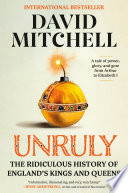
Unruly
David Mitchell


 Goodreads Choice Awards
 Apple Books


 123 Min Reading Time
 Audio Version Available
About this book
Venture into the tumultuous and often ridiculous history of England's monarchy with David Mitchell's Unruly. From the myth-strewn reign of Arthur to the shrewd rule of Elizabeth I, Mitchell hilariously chronicles the kings and queens who shaped a nation. Prepare for a tale of narcissists, excessive beheadings, middle-management insurrections, and uncivil wars, all told with Mitchell's signature wit and irreverence. Discover the surprising truth about England's early rulers in this rollicking, insightful, and utterly entertaining romp through royal history.
Summary of Key Ideas
- •
The Absurdity of Hereditary Rule
The inherent absurdity of hereditary monarchy is a central theme. Mitchell argues that entrusting immense power to individuals based solely on lineage is fundamentally flawed. He highlights the arbitrary nature of succession, where competence and character are irrelevant, leading to rulers who are often ill-equipped or downright unsuitable for the role. This absurdity is a recurring motif, showcasing how chance and circumstance often determined the fate of England.
- •
Power Struggles and Fortuitous Events
Mitchell emphasizes how the English monarchy evolved through a series of power struggles, betrayals, and sheer luck, rather than through a process of rational design or meritocracy. He vividly portrays the ruthless competition for the throne, where alliances were fleeting, and violence was commonplace. The narrative illustrates that the path to power was often paved with bloodshed and treachery, shaping the institution into what it is today.
- •
The Impact of Personal Failings
The book reveals how the personal failings and eccentricities of monarchs significantly impacted the course of English history. Mitchell delves into the flaws, weaknesses, and sometimes outright madness of various rulers, demonstrating how these individual characteristics shaped their decisions and policies. By highlighting these personal dimensions, the book underscores the human element in history.
- •
The Shifting Balance of Power
“Unruly” explores the constant negotiation and renegotiation of power between the monarchy and other influential entities, such as the nobility, the church, and eventually, Parliament. Mitchell illustrates how the balance of power shifted over time, with the monarchy sometimes asserting its dominance and at other times being forced to concede ground. This dynamic interplay shaped the constitutional landscape of England.
- •
The Mythologizing of Monarchs
Mitchell examines the ways in which English monarchs have been mythologized and romanticized throughout history, often obscuring the less palatable aspects of their reigns. He highlights the role of propaganda, storytelling, and historical revisionism in shaping public perception of the monarchy. The book encourages a more critical and nuanced understanding of these figures, separating fact from fiction.
- •
The Influence of Broader Social Forces
Despite its focus on individual rulers, "Unruly" also acknowledges the broader social and economic forces that shaped English history. Mitchell touches upon the impact of wars, plagues, famines, and economic cycles on the monarchy and the population it governed. This contextualization provides a more comprehensive understanding of the challenges and opportunities faced by English monarchs throughout the ages.
- •
A Humorous and Engaging Approach to History
The narrative is infused with humor and wit, making English history accessible and engaging for a wide audience. Mitchell's comedic style and contemporary language make the book an entertaining read, while still conveying serious historical insights. The tone is irreverent and playful, yet informative, appealing to both history buffs and casual readers.
- •
A Subversive Critique of Monarchy
Mitchell subtly critiques the very idea of monarchy, questioning its relevance and legitimacy in the modern world. While the book primarily focuses on historical events, it implicitly raises questions about the merits of a system based on inherited privilege. This underlying critique adds a layer of intellectual depth to the narrative.
Chapter Recap

About The Author
David Mitchell
David James Stuart Mitchell (born 14 July 1974) is a British comedian, actor and writer. **Source:** https://en.wikipedia.org/wiki/David_Mitchell_(comedian) **Image Attribution:** Highways England, OGL 3 <http://www.nationalarchives.gov.uk/doc/open-government-licence/version/3>, via Wikimedia Commons
Main Quotes
"Violence is a constant, the religious views are just the accompanying spin."
"It can be made fairer and attempts to make it less fair can be resisted. Optimistic realists seek improvement, not perfection."
"The point is not that the past was better, but that it wasn't worse."
"England's story is not one of steady progress and improvement."
"The English throne has never been a job application process."
"The problem with divine right is that everyone believes they have it."
"England's monarchs were often shaped by luck, accident, and the whims of history."
"There is no such thing as a golden age, only ages burnished by nostalgia."
"Being a king or queen was, to a considerable extent, play-acting."
"History is written by the winners, but it's also written by those who can write."
Who Should Read This Book
Readers interested in British history
Fans of David Mitchell's humor and comedic style
Individuals looking for accessible and entertaining history books
Readers who enjoy popular history with a focus on personality and anecdotes
Those interested in the history of the British monarchy
Readers who appreciate a humorous and irreverent take on historical figures
People seeking a lighthearted and engaging non-fiction read
Book Summaries Like
Unruly
FAQ

Free Access to LitNotes