




 DISCORD
War of 1812
Henry Freeman

 Apple Books


 13 Min Reading Time
 Audio Version Available
About this book
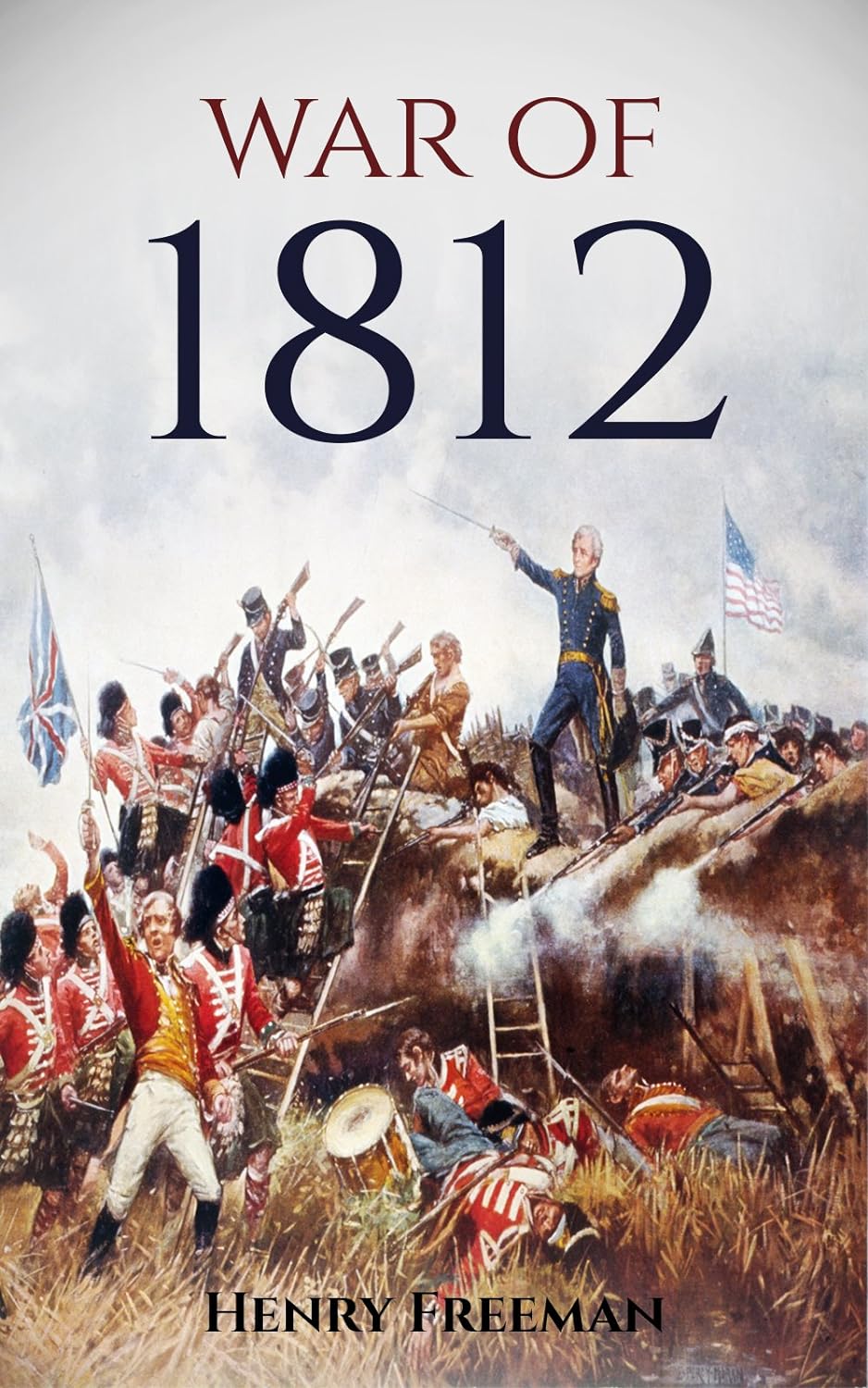
War of 1812 The War of 1812 is often forgotten when we think about the history of the United States. Yet the effects of what seems a minor and insignificant conflict are far-reaching, even to today. The world settled into the roles it would play out for decades, and the boundaries of the United States and Canada would be set for the next two hundred years. Inside you will read about... ✓ The Beginning of the War ✓ From Tippecanoe to War Hawks ✓ The War in the North ✓ The Battles of the Middle United States: Iowa and Lake Erie ✓ The Patriot’s War ✓ Washington in Flames ✓ A Bit About Pirates ✓ What is the impact of the War of 1812? And much more! Unlikely heroes would rise, leading to eventual power, while Native Americans would play out their own struggle on a backdrop of bloodshed and intrigue.
Summary of Key Ideas
- •
The Forgotten War's Enduring Impact
The War of 1812, often overshadowed in American history, holds significant long-term consequences. Despite appearing as a minor conflict, its effects shaped the nation's identity and international standing. Freeman emphasizes that understanding this war is crucial for grasping the subsequent trajectory of the United States, particularly its evolving relationship with Great Britain and its growing sense of national pride. The war's conclusion, although not a decisive victory, fostered a sense of American resilience and self-reliance. This newfound confidence influenced future foreign policy decisions and contributed to the nation's westward expansion.
- •
Maritime Disputes and Impressment
One of the significant underlying causes of the War of 1812 was the ongoing tension between the United States and Great Britain, stemming from British maritime policies. The British practice of impressment, which involved forcibly enlisting American sailors into the Royal Navy, was a major point of contention. Additionally, British trade restrictions aimed at hindering American commerce with France further aggravated the situation. These factors, combined with America's desire to assert its sovereignty and economic independence, ultimately led to the declaration of war.
- •
The Rise of the War Hawks
The "War Hawks," a faction within the U.S. Congress, played a pivotal role in pushing for war against Great Britain. Led by figures like Henry Clay and John C. Calhoun, these politicians advocated for a more assertive foreign policy and believed that war was necessary to defend American honor and economic interests. Their expansionist ambitions, particularly regarding the acquisition of Canada, also fueled their pro-war stance. The War Hawks effectively mobilized public opinion and exerted pressure on President James Madison to seek a declaration of war.
- •
Key Battles and Military Campaigns
The War of 1812 witnessed a series of military campaigns across different theaters, each with its own strategic importance. In the North, battles along the Canadian border were crucial for controlling vital waterways and preventing British incursions. The naval battles on the Great Lakes, particularly the Battle of Lake Erie, proved decisive in securing American control of the region. Meanwhile, in the South, Andrew Jackson's victory at the Battle of New Orleans cemented his reputation as a national hero and boosted American morale, even though it occurred after the signing of the peace treaty.
- •
The Burning of Washington and National Resilience
The burning of Washington D.C. by British forces in 1814 stands as a stark symbol of the war's impact on American soil. This event, which saw the destruction of the White House and other government buildings, was a major blow to American morale and a testament to the vulnerability of the nation's capital. However, it also galvanized American resistance and strengthened the resolve to defend the country against further British aggression. The rebuilding of Washington D.C. after the war served as a symbol of American resilience and determination.
- •
The War's Impact on Native Americans
The War of 1812 significantly impacted the Native American populations, who were caught between the warring factions. Many tribes allied with either the Americans or the British, hoping to protect their land and sovereignty. However, the war ultimately led to further displacement and dispossession of Native American lands, as the U.S. government expanded its control over the territories. The conflict weakened Native American resistance and paved the way for future westward expansion, further marginalizing indigenous communities.
Chapter Recap

About The Author
Henry Freeman
Main Quotes
"With the might of the English, French and Spanish navies, conflicts became more global as fur became a popular commodity."
Who Should Read This Book
Readers interested in military history
Students and educators studying the War of 1812
Individuals interested in American history and the early 19th century
History buffs interested in the political and social context of the War of 1812
Readers looking for an accessible overview of the War of 1812
Book Summaries Like
War of 1812
FAQ

Free Access to LitNotes