




 DISCORD
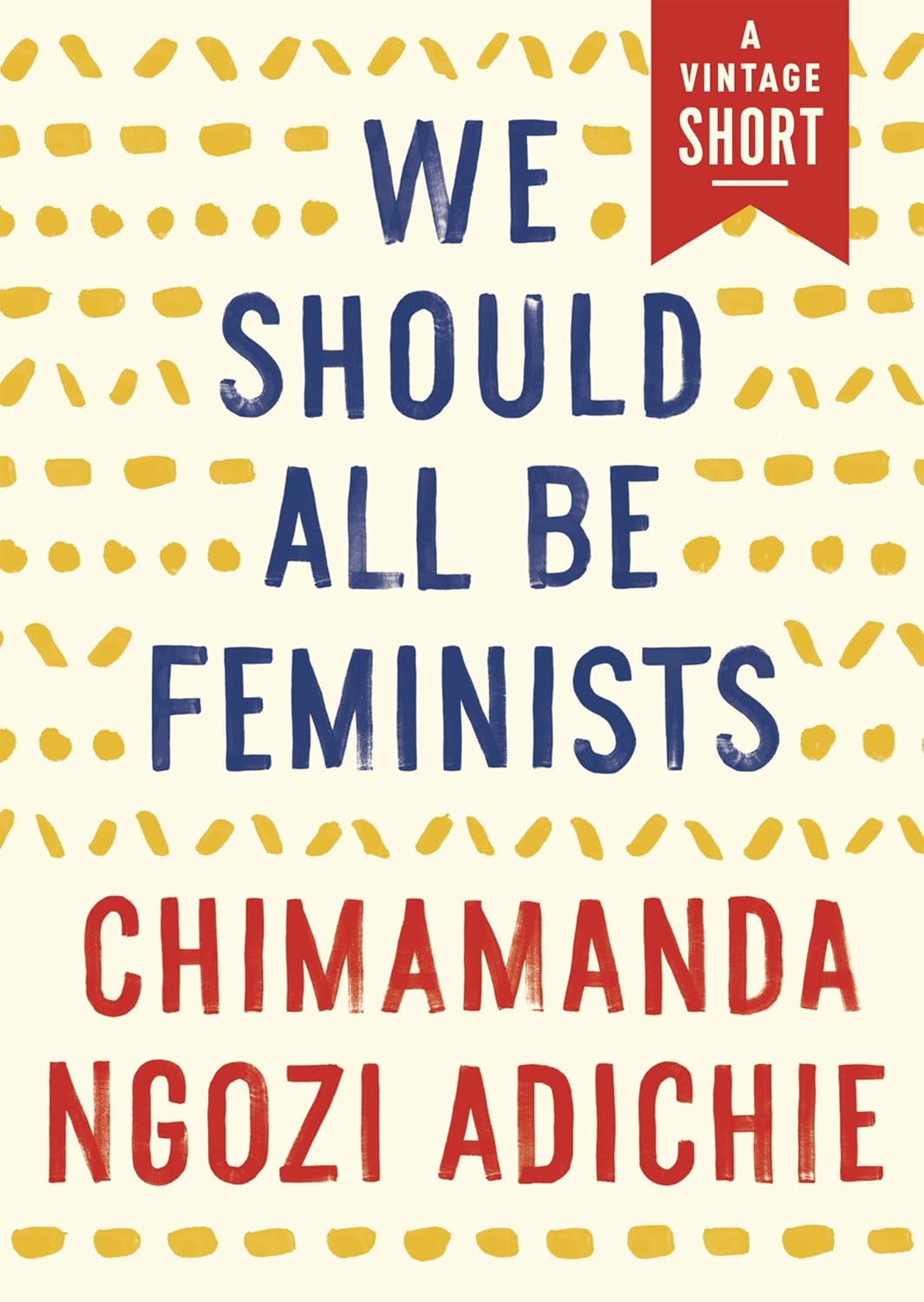
We Should All Be Feminists
Chimamanda Ngozi Adichie


 Apple Books


 7 Min Reading Time
 Audio Version Available
About this book
From the award-winning author of Americanah and the voice behind a viral TEDx talk, Chimamanda Ngozi Adichie offers a powerful, personal, and profoundly relevant exploration of feminism for the 21st century. In this incisive essay, Adichie dismantles outdated notions of gender, weaving together sharp observations, witty anecdotes, and her own lived experiences to expose the subtle and pervasive ways inequality persists. She presents an inclusive, modern definition of feminism, urging readers of all genders to recognize and challenge ingrained biases. Wise, accessible, and urgent, We Should All Be Feminists is an essential rallying cry for a more equitable world, inviting everyone to join the conversation and advocate for genuine gender equality.
Summary of Key Ideas
- •
Feminism as Equality
Redefining Feminism for the 21st Century: Adichie offers a contemporary definition of feminism, emphasizing that it is simply about the social, political, and economic equality of the sexes. She challenges the negative connotations often associated with the term, advocating for its embrace as a necessary framework for achieving a just and equitable society. This redefinition serves as the foundation for her arguments, making feminism accessible and relevant to a wider audience.
- •
Deconstructing Gender Norms
Challenging Gender Stereotypes: The book confronts traditional gender roles and expectations that limit both men and women. Adichie illustrates how these stereotypes perpetuate inequality, hindering individual potential and creating societal imbalances. She argues for a dismantling of these rigid constructs, allowing individuals to express themselves freely, without the constraints of prescribed gender norms.
- •
Beyond 'Feminist Lite'
The Problem with 'Feminist Lite': Adichie critiques the notion of 'feminist lite,' which suggests women can have certain rights and opportunities as long as they don't challenge the status quo too much or make men uncomfortable. She argues that this diluted form of feminism is insufficient and ultimately undermines the pursuit of true equality. She advocates for a more radical and transformative approach.
- •
Recognizing Privilege
Acknowledging Male Privilege: Adichie highlights the existence of male privilege, not to blame individual men, but to acknowledge the systemic advantages men receive in society. Recognizing this privilege is crucial for understanding the power dynamics at play and for dismantling the structures that perpetuate inequality. It's a call for men to become aware of their unearned advantages and to actively work towards a more equitable society.
- •
Nurturing Equality in the Next Generation
Raising Feminist Children: The book stresses the importance of teaching children about gender equality from a young age. Adichie encourages parents to challenge traditional gender roles in their parenting practices and to instill in their children a sense of fairness and respect for all genders. This early education is seen as essential for fostering a more equitable future.
- •
Celebrating Individuality
Individuality and Feminism: Adichie emphasizes that feminism is not about making women a homogenous group, but about valuing and celebrating their individuality. Feminism should empower women to make their own choices and live their lives according to their own values, free from societal constraints and expectations. It's a movement that champions personal autonomy and self-determination.
- •
A Universal Vision
The Universality of Feminism: The book argues that feminism is not just a concern for women, but a necessary framework for the betterment of society as a whole. By challenging gender inequality, we create a more just and equitable world for everyone, regardless of gender. Feminism benefits men as well, by freeing them from the restrictive expectations of traditional masculinity.
- •
The Power of Language
Language and Gender: Adichie explores how language reinforces gender stereotypes and inequalities. She highlights the subtle ways in which language can marginalize women and perpetuate harmful biases. By becoming aware of these linguistic patterns, we can challenge and change them, fostering a more inclusive and equitable language environment.
Chapter Recap

About The Author
Chimamanda Ngozi Adichie
Main Quotes
"I have chosen to no longer be apologetic for my femaleness and my femininity. And I want to be respected in all of my femaleness because I deserve to be."
"The problem with gender is that it prescribes how we should be rather than recognizing how we are."
"We teach girls to shrink themselves, to make themselves smaller. We say to girls, you can have ambition, but not too much. You should aim to be successful, but not too successful. Otherwise, you would threaten the man."
"Men and women are suffering. Men are suffering because of the gender roles that society has imposed on them."
"The person who is not okay with the status quo is the one who is called crazy."
"We raise girls to see other girls as competitors. Not in sports, but in life."
"We do a great disservice to boys in how we raise them. We stifle the humanity of boys."
"Feminism is not a serious thing, or it is something that is too angry, or too political. Feminism is not the opposite of masculinity."
"If we see the same thing over and over, it becomes normal."
"We are all women, and we are all human beings. And we all deserve to be treated equally."
Who Should Read This Book
Individuals interested in feminism and gender equality
Young adults and teenagers, particularly those aged 16 and up
People seeking accessible and clear explanations of feminist concepts
Readers who appreciate witty, observant, and persuasive writing styles
Those who may have negative preconceptions about feminism and are open to re-evaluation
Men and women who believe societal gender issues need to be addressed and improved
Fans of Chimamanda Ngozi Adichie's previous work, such as "Americanah"
Individuals looking for insightful and thought-provoking essays on social and political topics
Book Summaries Like
We Should All Be Feminists



FAQ

Free Access to LitNotes