




 DISCORD
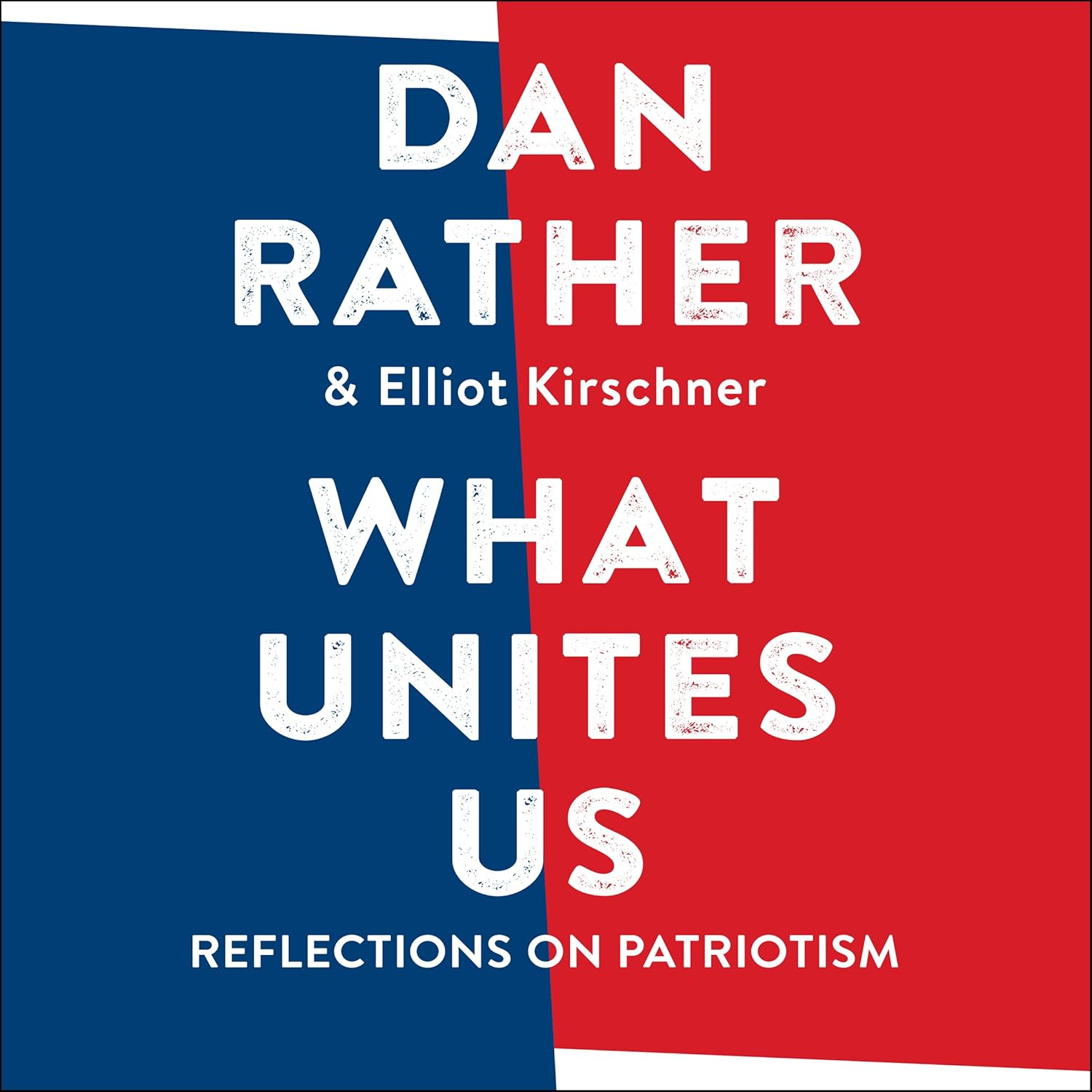
What Unites Us
Dan Rather


 Apple Books


 39 Min Reading Time
 Audio Version Available
About this book
In a nation grappling with its identity, legendary journalist Dan Rather turns to the core principles that unite us. In this collection of insightful essays, Rather draws upon his decades of experience on the front lines of history to remind us of the values that have shaped America: freedom, empathy, service, and the pursuit of progress. From public schools to national parks, from the struggle for civil rights to the audacity of scientific innovation, Rather illuminates the institutions and ideals that bind us together. With his signature blend of plainspoken wisdom and unwavering hope, Rather offers a path forward, urging us to listen, to converse, and to remember that we are, ultimately, one.
Summary of Key Ideas
- •
Redefining Patriotism
The Essence of Patriotism: Rather redefines patriotism beyond blind allegiance, emphasizing critical thinking, engagement, and a commitment to upholding the nation's founding ideals. True patriotism, according to him, involves questioning authority, demanding accountability, and actively working to improve the country, even when it means challenging the status quo. This active engagement, he argues, is far more valuable than passive acceptance. He stresses that a healthy dose of skepticism and a willingness to dissent are crucial components of genuine love for one's country.
- •
The Vital Role of Community
The Enduring Power of Community: Rather underscores the importance of community in fostering a sense of belonging and shared responsibility. He laments the decline of traditional community structures and advocates for rebuilding these connections through civic engagement, volunteerism, and supporting local institutions. Strong communities, in Rather's view, are essential for addressing social problems, promoting empathy, and creating a more inclusive and equitable society. He calls on individuals to actively participate in their communities and to work towards bridging divides and fostering a sense of collective identity.
- •
The Call to Civic Action
The Imperative of Civic Engagement: Rather stresses that active participation in civic life is crucial for a healthy democracy. He urges citizens to become informed about the issues, to vote in every election, and to engage in constructive dialogue with people who hold different views. He criticizes political apathy and encourages young people to get involved in shaping the future of their country. By actively participating in the democratic process, citizens can hold their leaders accountable and ensure that their voices are heard.
- •
Bridging Divides Through Dialogue
The Pursuit of Common Ground: In an era of increasing polarization, Rather emphasizes the importance of finding common ground and engaging in respectful dialogue with those who hold different views. He acknowledges that disagreements are inevitable, but argues that it is still possible to find areas of consensus and to work together towards shared goals. He advocates for empathy, listening, and a willingness to understand different perspectives. Finding common ground is not about compromising one's values, but about finding practical solutions that benefit everyone.
- •
Upholding Core Values
The Significance of Shared Values: Rather identifies core values such as freedom, justice, equality, and opportunity as the bedrock of American identity. He argues that these values, while often imperfectly realized, provide a common framework for understanding and addressing the challenges facing the nation. He stresses the importance of upholding these values in the face of adversity and of working to ensure that they are accessible to all Americans, regardless of their background or circumstances. These shared values are the foundation upon which a more united and just society can be built.
- •
Defending the Free Press
The Importance of a Free Press: Drawing on his decades of experience as a journalist, Rather emphasizes the vital role of a free and independent press in holding power accountable and informing the public. He warns against the dangers of media consolidation, misinformation, and attacks on journalists. A free press, he argues, is essential for a functioning democracy, as it provides citizens with the information they need to make informed decisions and to participate effectively in civic life. He encourages citizens to support independent journalism and to be critical consumers of news.
- •
Maintaining Hope for the Future
The Enduring Power of Hope: Despite acknowledging the challenges facing the nation, Rather remains optimistic about the future. He believes that Americans have the capacity to overcome their differences and to build a more just and equitable society. He draws inspiration from the resilience and determination of ordinary people and from the progress that has been made throughout American history. He urges readers to maintain hope and to continue working towards a better future, even in the face of setbacks and disappointments. Hope, he argues, is essential for sustaining the struggle for a more perfect union.
- •
Confronting Historical Truths
Recognizing and Rectifying Historical Injustices: Rather calls for a candid and comprehensive reckoning with America's past, acknowledging historical injustices such as slavery, segregation, and the mistreatment of Native Americans. He insists that confronting these painful truths is essential for healing the nation's wounds and building a more just society. By understanding the roots of inequality, Americans can work to dismantle systemic barriers and create a more inclusive and equitable future for all. Acknowledging past wrongs is not about assigning blame, but about learning from history and preventing future injustices.
Chapter Recap

About The Author
Dan Rather
Main Quotes
"The world is a better place when we have an open exchange of ideas."
"We have looked at our land and people, and said, time and time again, "This is not good enough; we can be better.""
"Hope is not a plan, but it is fuel."
"Even with President Nixon, he never called us the enemy of the people."
"The best way to combat misinformation is to arm yourself with the truth."
"News is a tricky beast. Sometimes you think it's over, but it's only just begun."
"To be an American is to be a part of something greater than yourself."
"The things that unite us are far greater than the things that divide us."
"It may seem counterintuitive, but these flaws made me love my country all the more."
"I find myself thinking deeply about what it means to love America, as I surely do."
Who Should Read This Book
Readers interested in American history and politics
Fans of Dan Rather's journalism and commentary
Individuals seeking reflections on patriotism and national identity
Those interested in thoughtful discussions on American values
Readers looking for inspiration and hope in a divided society
People who appreciate memoirs and personal anecdotes intertwined with social commentary
Readers of non-fiction books exploring themes of unity, civility, and common ground
Book Summaries Like
What Unites Us

FAQ

Free Access to LitNotes