




 DISCORD
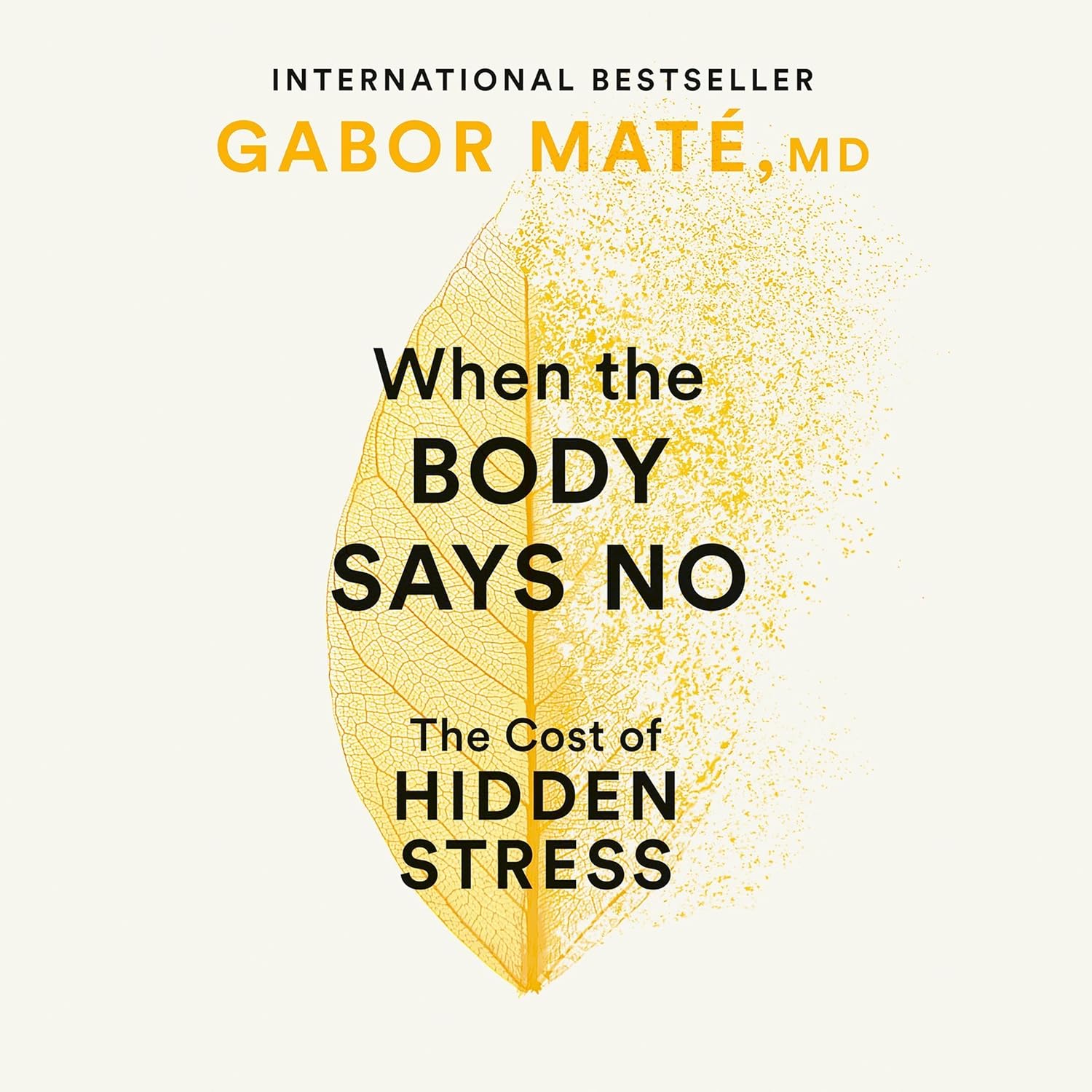
When the Body Says No
Gabor Maté


 Apple Books


 73 Min Reading Time
 Audio Version Available
About this book
Are you ignoring your body's silent cries?
In this internationally bestselling book, Dr. Gabor Maté, renowned expert in the fields of psychology, trauma and addiction, explores the intricate connection between mind and body, and the hidden role that stress and suppressed emotions play in a wide range of chronic diseases.
Through compelling case studies and years of groundbreaking research, When the Body Says No reveals how our emotional well-being directly impacts our physical health, influencing conditions like arthritis, cancer, diabetes, heart disease, and autoimmune disorders. Dr. Maté gently guides you to understand:
- How hidden stress can manifest as illness.
- The impact of early childhood experiences on lifelong health.
- The "Seven A's of Healing" – practical principles for preventing illness and promoting well-being.
- How to become your own health advocate and reclaim your body's innate wisdom.
When the Body Says No offers a transformative perspective on health, empowering you to acknowledge the profound link between your emotional landscape and physical vitality, and take control of your healing journey.
Summary of Key Ideas
- •
The Intertwined Nature of Mind and Body
The Mind-Body Connection: This key idea emphasizes the intricate relationship between our emotional well-being and physical health. Dr. Maté argues that suppressed emotions, chronic stress, and unresolved trauma can manifest as physical illnesses. The book explores how our bodies often express what our minds cannot articulate, highlighting the importance of recognizing and addressing emotional factors in overall health and healing. It encourages readers to view illness not merely as a biological malfunction but as a signal of deeper emotional or psychological distress.
- •
Unmasking the Detrimental Effects of Hidden Stress
The Impact of Hidden Stress: Dr. Maté introduces the concept of 'hidden stress,' which refers to the chronic, often unconscious, stress resulting from adverse childhood experiences, dysfunctional relationships, and societal pressures. This type of stress can significantly compromise the immune system and increase vulnerability to various diseases. The book underscores the importance of identifying and addressing these hidden stressors to prevent and manage chronic illnesses, promoting self-awareness and emotional healing as essential steps.
- •
The Dangers of Suppressing Authentic Emotions
The Cost of Emotional Repression: This idea delves into how suppressing emotions, particularly negative ones like anger, sadness, and fear, can negatively affect physical health. Dr. Maté explains that when we consistently deny or repress our emotions, the body bears the burden, leading to physiological imbalances and increased susceptibility to illness. The book encourages readers to cultivate emotional awareness and develop healthy coping mechanisms for processing and expressing their feelings, rather than bottling them up.
- •
Early Childhood's Lasting Impact on Health
The Role of Attachment and Early Childhood Experiences: The book emphasizes the critical influence of early childhood experiences and attachment patterns on our long-term health. Dr. Maté argues that adverse childhood events and insecure attachment can create deep-seated emotional patterns that predispose individuals to chronic stress and illness later in life. Understanding these early experiences and their impact is crucial for fostering healing and developing healthier relationship patterns.
- •
Living Authentically: The Key to Well-being
The Importance of Authenticity and Self-Assertion: Dr. Maté highlights the significance of living authentically and asserting one's needs and boundaries for maintaining health. People who consistently prioritize others' needs over their own and struggle to say 'no' are more prone to chronic stress and illness. The book encourages readers to cultivate self-awareness, practice self-compassion, and develop the courage to express their true selves, setting healthy boundaries to protect their well-being.
- •
Questioning Societal Pressures for a Healthier Life
Challenging Societal Norms and Expectations: This key idea critiques societal norms and expectations that often prioritize productivity, achievement, and external validation over genuine emotional well-being. Dr. Maté challenges the notion that success and happiness can be achieved by ignoring one's emotional needs and pushing oneself to the limit. The book encourages readers to question these societal pressures and prioritize self-care, emotional connection, and authentic self-expression.
- •
Self-Compassion and Awareness as Healing Tools
The Power of Compassion and Self-Awareness: Throughout the book, Dr. Maté emphasizes the importance of self-compassion and self-awareness in healing. By understanding the roots of our emotional patterns and developing compassion for ourselves, we can break free from destructive cycles and create a more fulfilling and healthier life. Self-awareness allows us to recognize our emotional triggers and respond to them with greater kindness and understanding, while self-compassion helps us to accept our imperfections and embrace our vulnerabilities.
- •
Illness as a Form of Communication
Disease as a Message: Maté proposes viewing disease not as a random occurrence or solely a biological malfunction, but as a potential message from the body, signaling underlying emotional or psychological distress. This perspective encourages individuals to explore the emotional roots of their illnesses, prompting deeper self-reflection and a more holistic approach to healing. By listening to what the body is communicating, individuals can gain valuable insights into their emotional needs and address the root causes of their ailments.
- •
The Healing Power of Human Connection
Healing Through Connection: The book underscores the importance of social connection and supportive relationships in promoting health and well-being. Dr. Maté argues that isolation and lack of social support can exacerbate stress and compromise the immune system. Cultivating meaningful connections with others, seeking therapy or support groups, and fostering a sense of community are essential for emotional and physical healing. The book advocates for creating a supportive environment where individuals feel safe to express their emotions and receive validation and understanding.
Chapter Recap

About The Author
Gabor Maté
Main Quotes
"The body cannot lie."
"The greatest sources of stress are not events themselves, but our beliefs about them."
"“What has happened to you?” is a more relevant question than “What is wrong with you?”"
"Emotions are not all located in the mind."
"The gut is our second brain."
"When people learn to say no to the demands of others, they often find it easier to say yes to their own needs and desires."
"Our society's pervasive denial of death is a mirror of its denial of the body."
"Anything that is denied cannot be healed."
"The wisdom of the body is ultimately the only measure of health."
"Stress is not a disease in itself, but it lays the groundwork for disease."
Who Should Read This Book
Individuals interested in the mind-body connection
People experiencing chronic illnesses or autoimmune disorders
Those seeking to understand the impact of stress and trauma on their health
Individuals interested in psychology and personal development
Readers of Gabor Maté's other works
Healthcare professionals seeking a holistic approach to patient care
Individuals exploring the relationship between emotions and physical well-being
People with a history of trauma or adverse childhood experiences
Those interested in alternative medicine and holistic health practices
Individuals seeking to improve their emotional awareness and expression
Book Summaries Like
When the Body Says No
FAQ

Free Access to LitNotes