




 DISCORD
Who Is Government?
Michael Lewis


 The New York Times Best Sellers


 44 Min Reading Time
 Audio Version Available
About this book
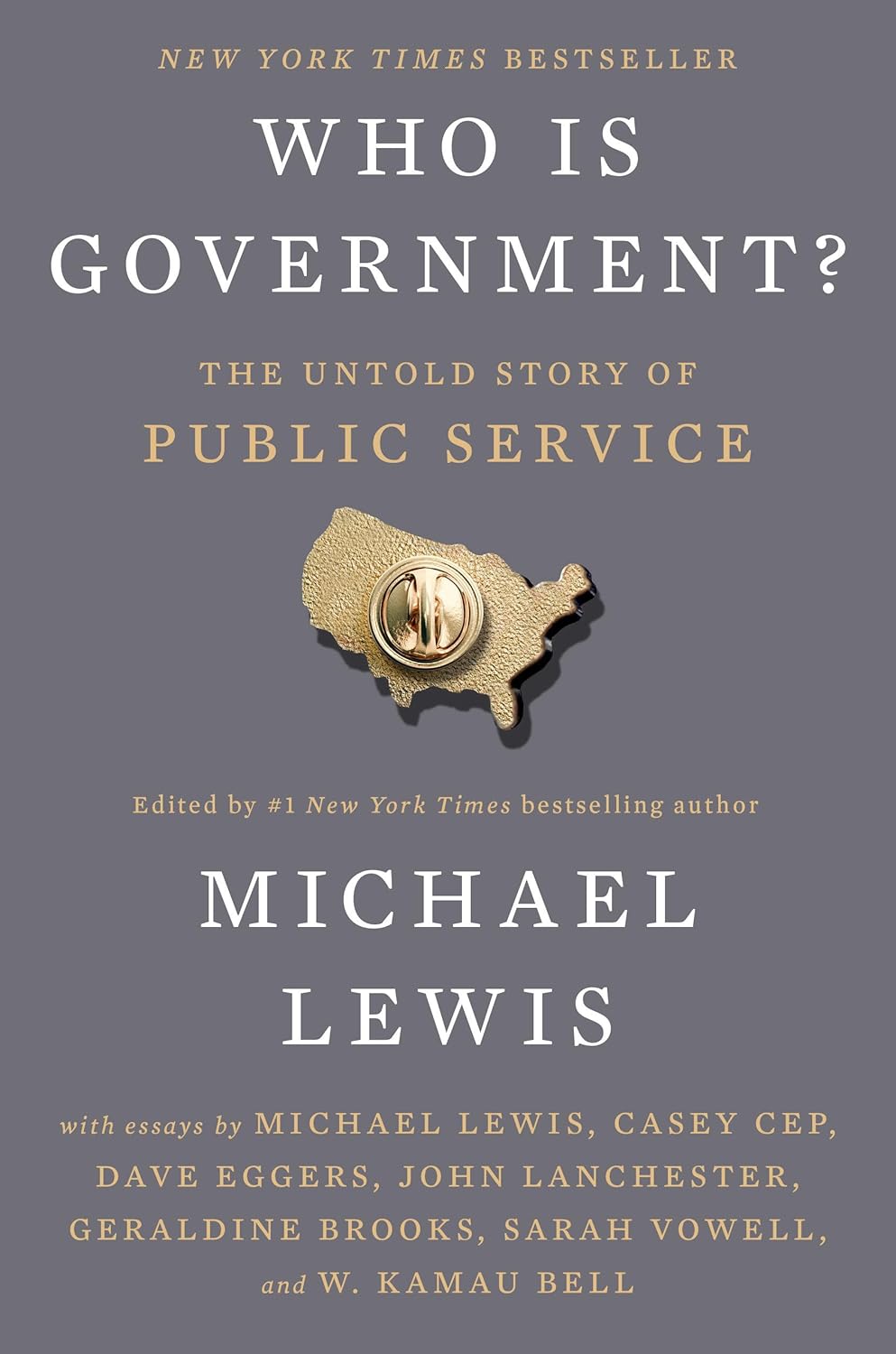
Who are the people behind the vast and complex entity we call "the government"? Bestselling author Michael Lewis, along with a team of acclaimed writers, answers this question in a collection of unexpected, riveting, and inspiring stories.
We pay for it, rely on it, and often rebel against it, but government is, at its heart, people—unrecognized and uncelebrated individuals performing essential work that profoundly impacts our lives. From a former coal miner dedicated to saving lives by preventing mine collapses to an IRS agent worthy of a crime thriller and the manager who transformed the National Cemetery Administration into the best-run organization in the country, these are the public servants who defy the stereotype of the faceless bureaucrat.
Through vivid profiles, Who Is Government? reveals the hidden world of those who digitize archives, chase cybercriminals, and even discover new planets. Their commitment is unwavering, their contributions invaluable, and their stories essential for understanding how government truly works and why it matters.
Summary of Key Ideas
- •
Celebrating Public Servants
The book aims to highlight the vital, often unseen, work of career government officials. It challenges the narrative of government incompetence and corruption by showcasing dedicated individuals committed to public service. This idea is central to countering the vilification of government employees and fostering a greater appreciation for their contributions to society. By presenting compelling stories of these individuals, the book seeks to reshape public perception and restore faith in the essential functions of government.
- •
Expertise in Action
One key idea revolves around demonstrating the expertise and dedication found within government agencies. The book likely provides examples of civil servants who possess specialized knowledge and skills crucial for the functioning of various sectors, such as public health, infrastructure, and national security. This aims to counter the argument that the government is staffed by unqualified individuals, revealing the depth of talent and commitment present in the public sector. It emphasizes the value of long-term expertise in maintaining essential services.
- •
Government as a Societal Shield
The book likely explores the theme of government as a safeguard against societal problems and market failures. By illustrating how public servants work to address issues such as environmental protection, consumer safety, and economic stability, the book emphasizes the crucial role of government intervention. It challenges the notion that the private sector alone can solve complex societal challenges, highlighting the need for regulation and oversight to protect the public interest. This perspective underlines the importance of government as a vital component of a functioning society.
- •
Demystifying Government Operations
Another key idea is the importance of understanding how government actually works. The book strives to demystify the inner workings of various government departments and agencies, providing insights into the processes and procedures that shape public policy. This understanding is crucial for informed civic engagement and holding government accountable. By offering a behind-the-scenes look at the machinery of government, the book empowers citizens to participate more effectively in the democratic process and advocate for positive change.
- •
Reaffirming the Value of Public Service
A core message of the book may be the defense of the ethos of public service itself. It combats the prevailing cynicism surrounding government work by portraying the motivations and values that drive individuals to dedicate their careers to serving the public. This includes a sense of duty, a commitment to social justice, and a desire to make a positive impact on society. By highlighting these intrinsic rewards of public service, the book inspires a new generation to consider government careers and reinforces the importance of ethical leadership in the public sector.
- •
Highlighting Government Successes
The book likely confronts the narrative of government inefficiency and waste by showcasing examples of effective and innovative public programs. It demonstrates how government agencies can successfully address complex challenges and deliver valuable services to citizens. By presenting evidence-based success stories, the book challenges preconceived notions about government performance and underscores the potential for positive change through public action. This approach aims to foster a more balanced and nuanced understanding of the role of government in modern society.
Chapter Recap

About The Author
Michael Lewis
Main Quotes
"joining the civil service is basically like being in the Witness Protection Program: “No one ever knows about the good you do."
Who Should Read This Book
Readers of Michael Lewis's previous books (e.g., *Moneyball*, *The Big Short*)
Individuals interested in public service and government
Readers concerned about the role and importance of government
Those seeking to understand the work of government employees
Readers interested in non-fiction, narrative journalism
People who want to counter negative stereotypes about government workers
Readers interested in civics and how government functions
Book Summaries Like
Who Is Government?



FAQ

Free Access to LitNotes