




 DISCORD
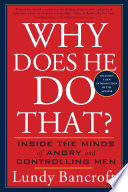
Why Does He Do That?
Lundy Bancroft

 Apple Books


 81 Min Reading Time
 Audio Version Available
About this book
He tells you he loves you, but his actions leave you confused, hurt, and questioning your sanity. Why does he do that?
Lundy Bancroft, a counselor specializing in abusive men, offers a groundbreaking look inside their minds. In Why Does He Do That?, Bancroft arms you with the knowledge to recognize controlling or devaluing behavior, understand the red flags, and reclaim your life.
Discover:
- The early warning signs of abuse
- The roots of abusive thinking
- How to dismantle common myths about abusers
- Profiles of abusive personality types
- The impact of substances on abusive behavior
- What aspects of the relationship can be salvaged—and what cannot
- Strategies for safely escaping an abusive relationship
Summary of Key Ideas
- •
Abuse as a Deliberate Choice
Abuse is a choice, not a result of anger management issues or other external factors. Bancroft argues that abusive men are deliberate in their actions, choosing to mistreat their partners to gain power and control. This challenges the common misconception that abuse is simply a loss of control or a result of stress. He emphasizes that abusers are often quite capable of controlling their behavior in other contexts, such as at work or in public, further highlighting the intentional nature of their actions within the relationship. Abusers rationally calculate that they can get away with abuse in their intimate relationship.
- •
Entitlement and Superiority
Abusers have a sense of entitlement and believe they are superior to their partners. This sense of superiority leads them to believe they have the right to control their partner's actions, thoughts, and feelings. They often feel entitled to special treatment and become angry when their needs are not met immediately or when their partner asserts their own needs or boundaries. This entitlement can manifest in various forms of controlling behavior, such as dictating what their partner can wear, who they can see, and how they should behave.
- •
The Core of Control
Control is the central motive behind abusive behavior. Abusers seek to dominate and subjugate their partners through a range of tactics, including emotional manipulation, intimidation, financial control, isolation, and physical violence. This control is not just about having power; it's about maintaining a sense of superiority and ensuring that their partner conforms to their expectations. By controlling their partner's life, abusers reinforce their sense of entitlement and maintain their dominant position within the relationship. The desire for control is the engine that drives the abuse.
- •
Predictable Patterns of Abuse
Abuse follows predictable patterns and tactics. Bancroft identifies common behaviors and strategies used by abusers, such as manipulation, gaslighting, blame-shifting, and creating chaos. Recognizing these patterns can help victims understand that they are not alone and that their experiences are part of a larger, identifiable cycle of abuse. Understanding these tactics can also help victims anticipate and prepare for abusive behavior, ultimately empowering them to make informed decisions about their safety and well-being. It also exposes the abuser's playbook, helping others identify the abuse.
- •
Feelings as Excuses
Feelings are not the root cause of abuse. While abusers may claim that their actions are driven by anger, stress, or other emotions, Bancroft argues that these are excuses used to justify their behavior. The true motivation is the desire for control and the belief in their own entitlement. By shifting the focus away from feelings, Bancroft highlights the importance of holding abusers accountable for their actions and challenging the excuses they use to evade responsibility. Abusers will blame shift to avoid taking ownership of their behavior and the harm they cause.
- •
Profiles of Abusers
There are different types of abusers, each with their own set of characteristics and behaviors. Bancroft identifies several distinct profiles of abusive men, such as "The Batterer," "The Emotional Abuser," and "The Sexual Abuser." Understanding these different types can help victims recognize the specific patterns of abuse they are experiencing and tailor their responses accordingly. It also emphasizes that not all abusers are the same and that interventions need to be tailored to the specific type of abuser. Some abusers are more outwardly aggressive, while others are more subtle and manipulative.
- •
The Possibility of Change
Rehabilitation for abusers is possible, but requires genuine remorse, acceptance of responsibility, and a commitment to change. Bancroft emphasizes that abusers must be willing to confront their own behavior and actively work to change their beliefs and attitudes. This process often requires professional intervention and a long-term commitment to personal growth. However, he also cautions that not all abusers are capable of change and that victims should prioritize their own safety and well-being above all else. Change comes from a place of humility and acknowledging their abusive behavior.
- •
Victim's Lack of Responsibility
Victims are not responsible for the abuser's behavior. Bancroft stresses that abuse is never the victim's fault and that victims should not blame themselves for the abuser's actions. Abusers often manipulate their partners into believing that they are somehow responsible for the abuse, but Bancroft debunks this myth and empowers victims to recognize that they are not to blame. It is important for victims to understand they are not responsible for the abuser's actions and seek support.
- •
The Necessity of a Safety Plan
The importance of seeking support and developing a safety plan. Bancroft encourages victims to reach out to friends, family, or professionals for support and to develop a plan for protecting themselves and their children. This may involve leaving the relationship, seeking legal protection, or taking other steps to ensure their safety. He underscores the importance of prioritizing safety above all else and taking proactive steps to protect oneself from further harm. Creating a support network will help the victim understand they are not alone and help them leave the abuser.
Chapter Recap

About The Author
Lundy Bancroft
Main Quotes
"The techniques of verbal and emotional abuse are like puppet strings."
"Abuse is not about anger."
"An abuser’s problem is not that he reacts strongly to stress; it is that he responds to stress like an abuser."
"Many people hear the term “domestic violence” and think of slapping, punching, or kicking. But abuse is much more than that."
"He doesn’t have a problem with his anger; he has a problem with his respect."
"The most बेसिक ingredient of abusive behavior is entitlement."
"One of the main reasons that men are abusive is that they can get away with it."
"He feels entitled to be মিটার ahead of you in every area of life."
"There is a difference between anger and rage. Anger is an emotional response to frustration or injustice. Rage is a tool that abusers use to control and intimidate."
"যেত Your partner may be ведет extremely critical of you but unable to handle any criticism of himself."
Who Should Read This Book
Women in or escaping from abusive relationships
Therapists and counselors working with abuse survivors
Individuals seeking to understand abusive behavior in men
的朋友和家人 of women experiencing abuse
Social workers and advocates for domestic violence victims
Students and researchers studying domestic violence and gender studies
Legal professionals involved in domestic abuse cases
People interested in self-help resources for recognizing and dealing with controlling or abusive partners
Book Summaries Like
Why Does He Do That?




FAQ

Free Access to LitNotes