




 DISCORD
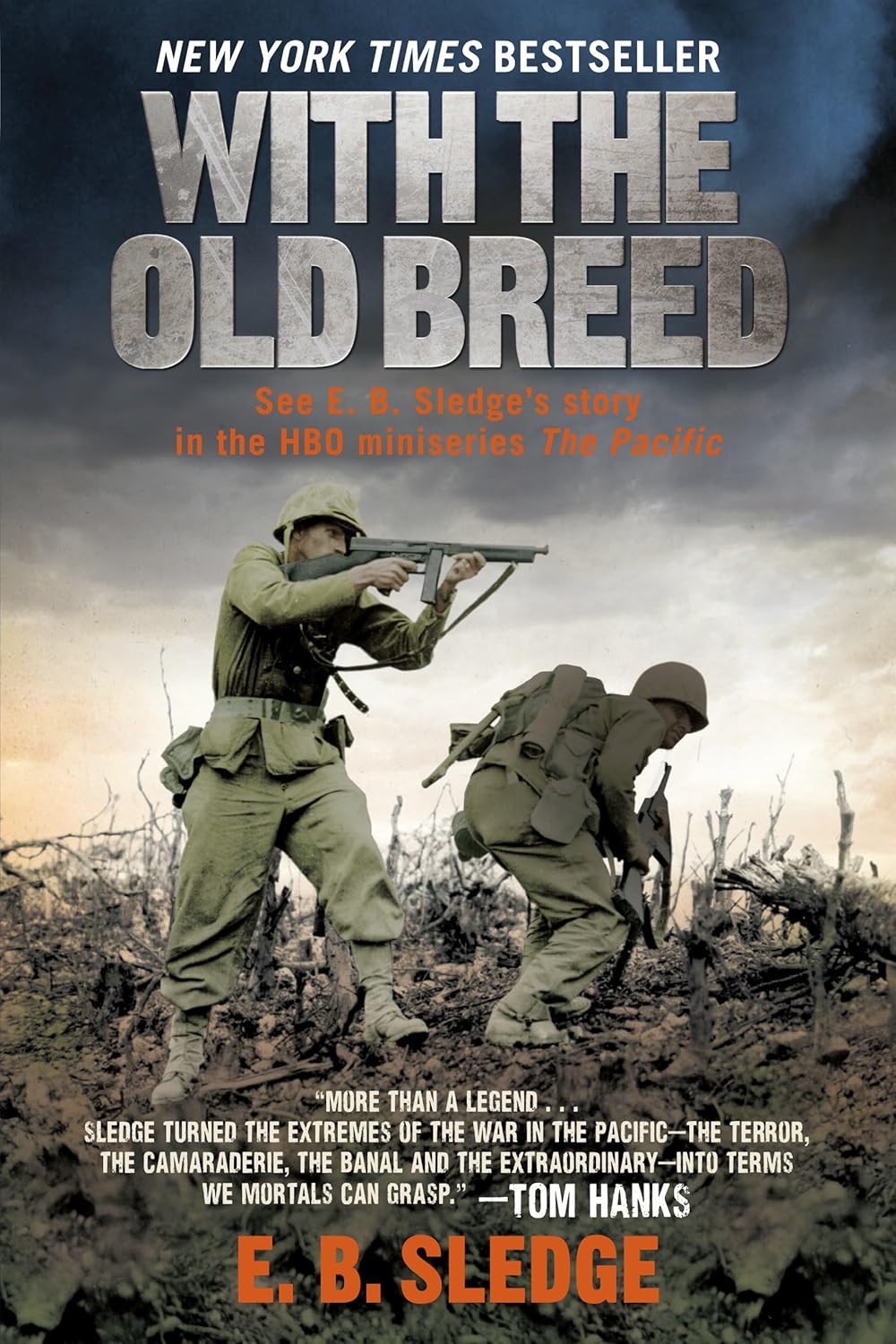
With the Old Breed
E. B. Sledge


 Apple Books


 89 Min Reading Time
 Audio Version Available
About this book
A harrowing, unflinching, and profoundly moving memoir, With the Old Breed offers a brutal and honest look at the Pacific Theater of World War II through the eyes of Eugene B. Sledge. Based on notes Sledge secretly kept in a pocket-sized New Testament, this acclaimed first-person account plunges readers into the heart of the ferocious battles of Peleliu and Okinawa. Experience the daily struggle for survival amidst relentless shelling, disease, and the ever-present specter of death. Sledge's unflinching prose reveals not only the physical horrors of war but also the psychological and emotional toll it exacts on the individual. More than just a war story, With the Old Breed is a testament to courage, camaraderie, and the enduring power of the human spirit in the face of unimaginable adversity, solidifying its place as a classic of military literature.
Summary of Key Ideas
- •
The Unvarnished Truth of War
The Brutal Reality of Combat: Sledge's memoir unflinchingly portrays the sheer brutality and dehumanizing nature of war, stripping away any romanticized notions. He vividly describes the constant fear, physical hardships, and psychological toll that combat exacts on soldiers. This includes graphic depictions of violence, the ever-present threat of death, and the emotional struggles of witnessing the suffering and death of comrades. Sledge's detailed descriptions serve as a stark reminder of the true cost of war, emphasizing the immense sacrifices made by those who fought in the Pacific Theater.
- •
The Scars of War: A Loss of Innocence
Loss of Innocence and Psychological Trauma: The extreme conditions and horrors of Peleliu and Okinawa profoundly impacted Sledge and his fellow Marines. He poignantly illustrates the gradual erosion of their humanity as they became desensitized to violence and death. The constant stress, fear, and witnessing of unspeakable acts left deep psychological scars on the soldiers, leading to lasting trauma long after the war ended. Sledge's personal struggle to reconcile his wartime experiences with his pre-war ideals is a central theme, highlighting the invisible wounds of war.
- •
Bonds Forged in Fire: The Power of Brotherhood
The Importance of Camaraderie and Brotherhood: In the face of unimaginable hardship and constant danger, the bonds of camaraderie and brotherhood among the Marines served as a crucial source of support and resilience. Sledge emphasizes the reliance on one another for survival, both physically and emotionally. The shared experiences, mutual trust, and unwavering loyalty created an unbreakable bond that helped them endure the horrors of war. This theme underscores the significance of human connection and mutual support in overcoming adversity.
- •
Dehumanization: The Enemy and Ourselves
The Dehumanizing Effects of War on Both Sides: Sledge's narrative explores the dehumanizing effects of war not only on the American soldiers but also on the enemy. He describes the brutal fighting tactics employed by both sides and the intense hatred and animosity that developed between them. While acknowledging the necessity of fighting the Japanese, Sledge also reflects on the tragic consequences of reducing the enemy to a faceless entity, stripping them of their humanity and perpetuating a cycle of violence and brutality.
- •
Enduring the Elements: Physical and Environmental Hardships
The Physical Hardships and Environmental Challenges: Beyond the immediate dangers of combat, Sledge vividly portrays the immense physical hardships endured by the Marines in the Pacific. The extreme heat, humidity, and disease-ridden environments of Peleliu and Okinawa took a heavy toll on their bodies and spirits. The constant exposure to the elements, coupled with inadequate supplies and sanitation, contributed to widespread illness and suffering. Sledge's detailed descriptions highlight the relentless physical challenges faced by soldiers in addition to the psychological strain of battle.
- •
Moral Crossroads: Navigating Ethical Dilemmas
The Moral Ambiguity of War: Sledge grapples with the moral complexities and ethical dilemmas inherent in warfare. He questions the justification for certain actions and reflects on the inherent contradictions between the ideals of war and the reality of its execution. He reveals the instances where soldiers made difficult choices in morally ambiguous situations. Sledge's exploration of these themes challenges readers to confront the uncomfortable truths about war and its impact on individual morality.
Chapter Recap

About The Author
E. B. Sledge
Main Quotes
"Time had no meaning, life had no meaning."
"We existed in a world of death."
"How could anyone survive such horror?"
"I am the harvest of man's stupidity. I am the fruit of the holocaust."
"Would the war dehumanize me so that I, too, could "field trip" enemy dead with such nonchalance?"
"Theзияy thing was to endure."
"I prayed like you to survive, but look at me now. It is over for us who are dead, but you must struggle, and will carry the memories all your life."
"War is such a self-defeating, organized madness."
"You could depend on your buddy; he could depend on you."
"I began to feel a deeper appreciation for the influence of the old breed upon us newer Marines."
Who Should Read This Book
Readers of military history, especially World War II in the Pacific Theater
Fans of firsthand accounts of war and combat
Individuals interested in the Marine Corps and its history
Readers seeking realistic and unflinching depictions of the psychological impact of war
Those who appreciate memoirs and autobiographies
Readers of works like "The Pacific" miniseries (as the book served as source material)
Individuals interested in the battles of Peleliu and Okinawa
History buffs interested in personal narratives that complement traditional historical accounts
Readers looking for books that explore themes of trauma, survival, and the loss of innocence in war
Book Summaries Like
With the Old Breed

FAQ

Free Access to LitNotes